


Fence Privacy Screens by Day and Night: A Photo Comparison Guide
Day and night privacy can look very different on the same fence screen. A panel that blocks a direct sightline in afternoon sun may become more transparent at night when interior lights are on behind it. This article helps you plan a fair side-by-side comparison using your own fence, lighting, and observation point. Whether you are comparing colors, deciding between 170 and 220 GSM, or checking how your current screen behaves after dark, this guide gives you a simple way to test the view from the spots that matter to you.
How Light Direction Affects Visibility
Woven sun-control screens change apparent privacy depending on light source position. The same fabric can look more open when light is behind the object or person being viewed, and darker when the brighter side faces the observer. For general background, Phifer's sun-control FAQ discusses how light source placement affects visibility through exterior shade screens. The actual effect on your fence should be checked in person under your normal lighting conditions.
Do not assume a dark color will automatically be more private or a light color less private. Color interacts with background and light direction. Observe from a position on your own property or another spot where you have permission, such as a patio or a walkway you can use for the test.
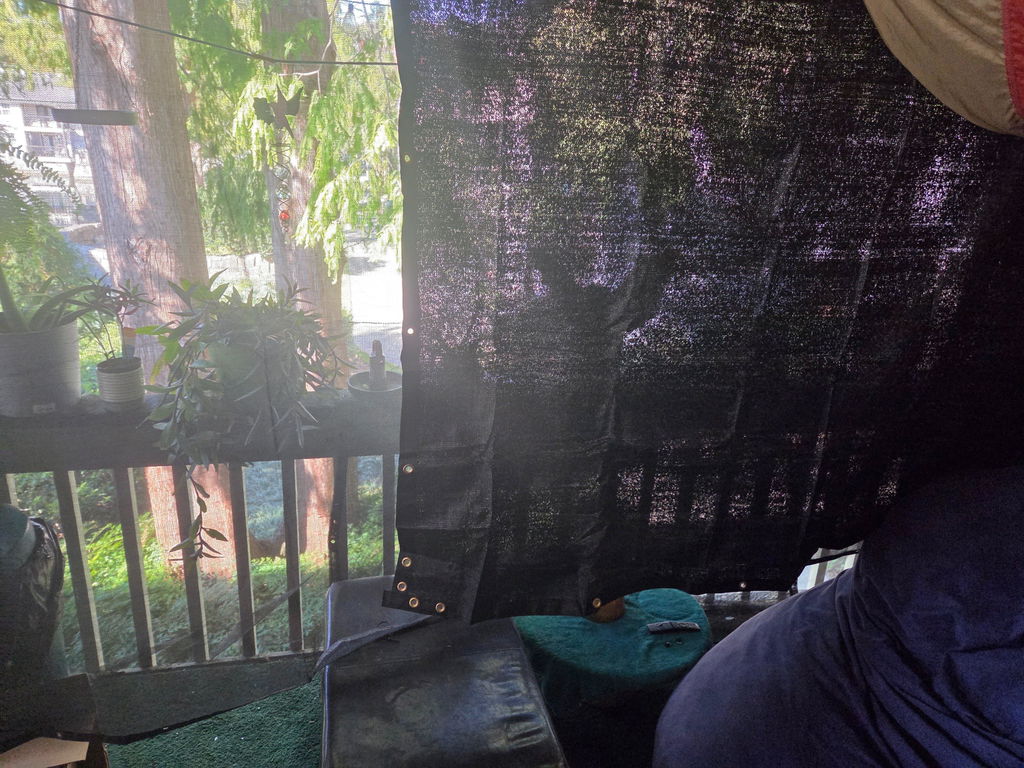
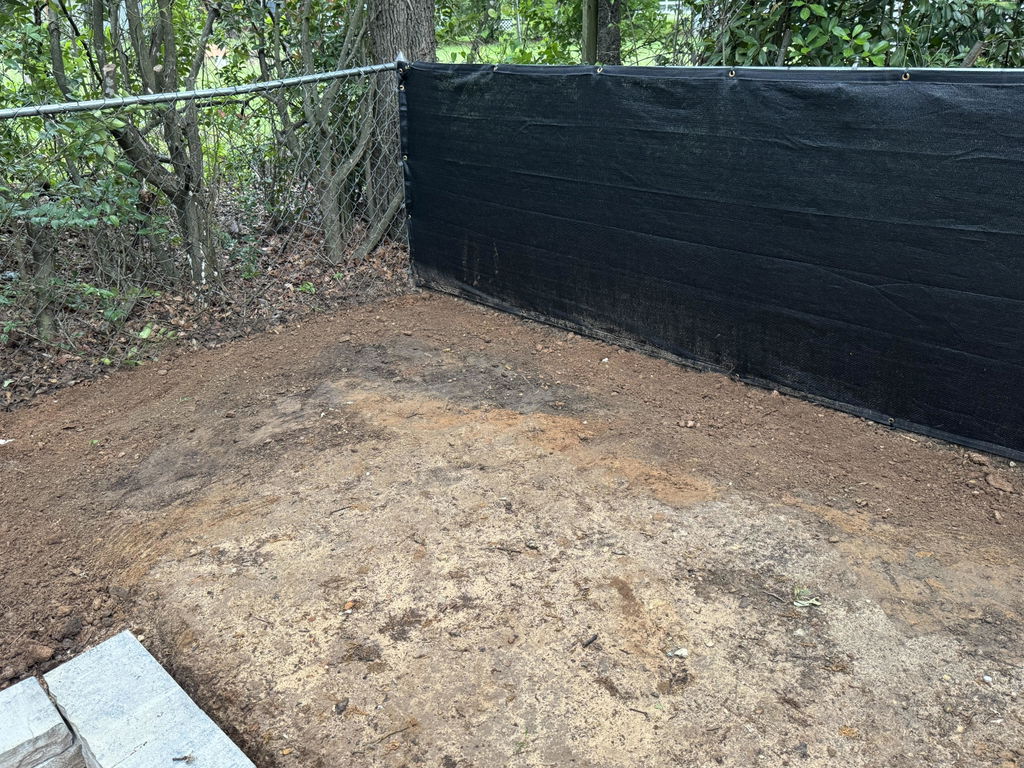
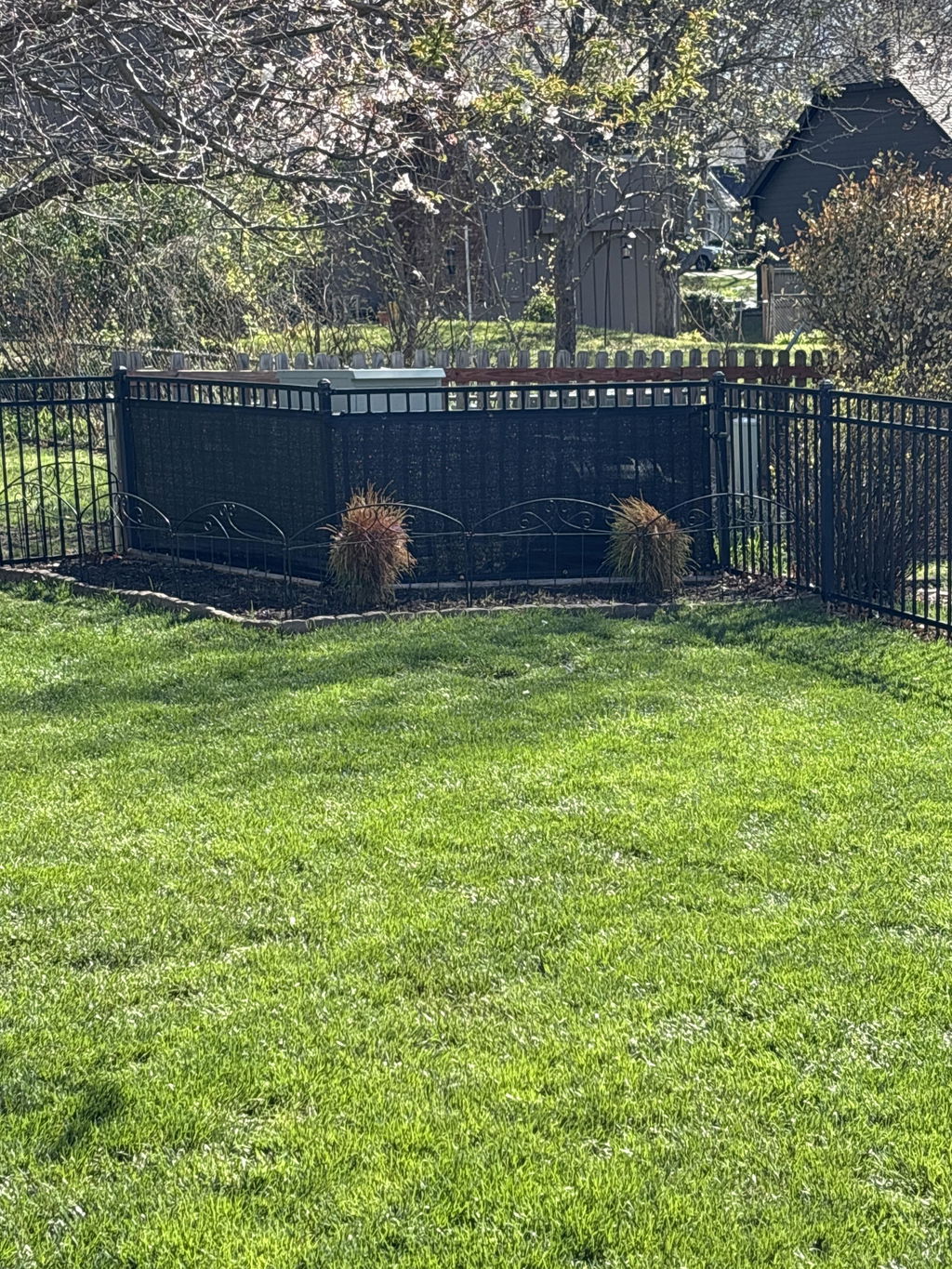
These three daytime installation photos come from different customer reviews; they are not paired tests.
Color and GSM: What They Do and Do Not Tell You
Royal Shade lists fence screens in multiple colors and two common fabric weights: 170 GSM and 220 GSM. GSM is the mass of fabric per square meter. It is not a direct measure of weave density, openness, optical blockage, wind resistance, or durability. A 220 GSM panel has more mass per square meter than a 170 GSM panel of the same material, but that difference alone cannot rank one as more private at night. Weave construction, coating, color, and product testing determine those properties. Do not treat GSM as a direct nighttime privacy score.
| Condition | Keep consistent | What to check | Next step |
|---|---|---|---|
| Daytime | Same fence section, viewing position, and time of day | How clearly shapes and colors show through the panel | Note the light direction and move closer or farther only if that matches real use |
| Early evening | Same viewing position and fence section | Whether the screen becomes easier to see through as outdoor light fades | Turn on the same lights you normally use after sunset |
| Night with normal indoor/outdoor lights | Same lights, same camera height, same standing position | Whether a person or object behind the screen is visible | Check again from the other side of the fence if that view matters |
| Bright background behind the fence | Same background light source | Whether a bright window, porch light, or streetlight changes visibility | Compare the same panel with and without that background light |
The table above is a checklist, not a set of results. You can use it while comparing a Fence Privacy Screen with Brass Grommets, 170 GSM, a Heavy Duty Plus Fence Privacy Screen, 220 GSM, or a Custom Made-to-Order Fence Screen. See the full privacy fence screen collection if you are still choosing a product.
To judge color, request or order a real sample and attach it to your actual fence. Observe at the same time of day and night, from the same distance and angle. A small swatch can help you compare color and see-through character, but it cannot prove how a full finished panel will look once installed. Complete panel width, edge gaps, seams, and final tension all need to be checked on the installed screen.
Coverage Height and Width
Coverage begins with finished panel size. Royal Shade lists nominal and finished dimensions on product pages; use the Fence Privacy Screen Size Guide to understand how to choose panel size for your fence section. Do not plan screen height above the supported fence line. A taller screen is not inherently better for privacy if the support or installation cannot keep it tensioned, straight, and free of sagging gaps.
Measure the height and width of each supportable span you need to cover, then compare those numbers with the finished dimensions on the product page. The size guide includes measuring lengths guidance that may help you check fit before ordering. Allow for grommet spacing and attachment method. If the screen is too short, a visible gap may remain. If it is too tall for the support, it may fold or pull away. For a fair comparison between two products, both should cover the same height and width on the same fence section.
Installation and Edge Gaps
Check the top, bottom, and side edges after installation. Light can pass beside or under the screen even when the center panel appears solid. If privacy matters at night, first look for bright light sources behind the fence, such as a porch light, window, or streetlight. Then check the edges around the screen and any seams between panels. Observe the fabric openness separately from those edge and seam gaps, because each can affect privacy differently. The fence screen installation blog provides general guidance on attaching screens. For projects requiring a truly blackout effect, evaluate whether the fence structure and local rules allow a more opaque panel, because a mesh screen may not be sufficient.
How to Take a Useful Day/Night Photo Set
You can document your own comparison without making scientific claims. Keep the panel color, installation method, and fence location the same for each product you compare. Use the same observation point, camera height, and framing for all photos. Note the date, time, weather, nearby lights, and camera mode. Keep everyday lights in their normal state, and do not use HDR night modes, heavy editing, or filters to make the screen look more or less private. The photos are a visual aid, not a measurement. Ordinary items in the background, such as a chair or planter, are enough to judge contrast. Always take photos from your own property or a location where you have permission.
Begin with a daytime photo from the marked viewing position. Then take a nighttime photo with the same framing and with the same lights on or off that would normally be in use. Compare how visible a person or object is behind the screen. If the other side of the fence is also part of your normal use or available with permission, repeat the same set from that side so you can see the effect of light direction.
FAQ
Is a black Royal Shade fence screen more private at night?
Not automatically. Color is only one factor. The weave pattern, openness, background brightness, and light source direction all affect visibility. Compare real swatches on your fence at night before choosing by color alone.
Does 220 GSM mean more nighttime privacy than 170 GSM?
No. GSM is mass per square meter, not weave density or optical blockage. A 220 GSM panel has more unit mass than a 170 GSM panel, but that does not directly rank nighttime privacy. Product testing and real swatch comparison are more useful.
Can people see through a fence screen at night?
It depends on light direction, viewing distance and angle, fabric openness, edge gaps, and the brightness behind the screen. A mesh screen cannot promise complete all-night privacy in every setting. Known GSM figures refer to fabric mass per square meter, not a direct measure of see-through performance at night.
For product options, see the Royal Shade privacy fence screen collection.

